
Pilates for Core Strength: How Pilates Builds a Stronger, More Stable Body
When most people think about core strength, they immediately think about visible abs or doing hundreds of crunches. But a strong core is about much more than how your stomach looks.
Your core is the center of your body. It helps stabilize your spine, support your posture, control your movements, and create a strong foundation for everyday activities, exercise, and sports.
This is why Pilates for core strength has become increasingly popular among people who want to build a stronger and more stable body without relying only on traditional abdominal exercises.
So, does Pilates strengthen your core? Is Pilates good for core strength? And can Reformer Pilates build core strength?
The short answer is yes. Pilates is specifically designed to improve body control, stability, alignment, and muscular endurance — all of which are essential components of core strength.
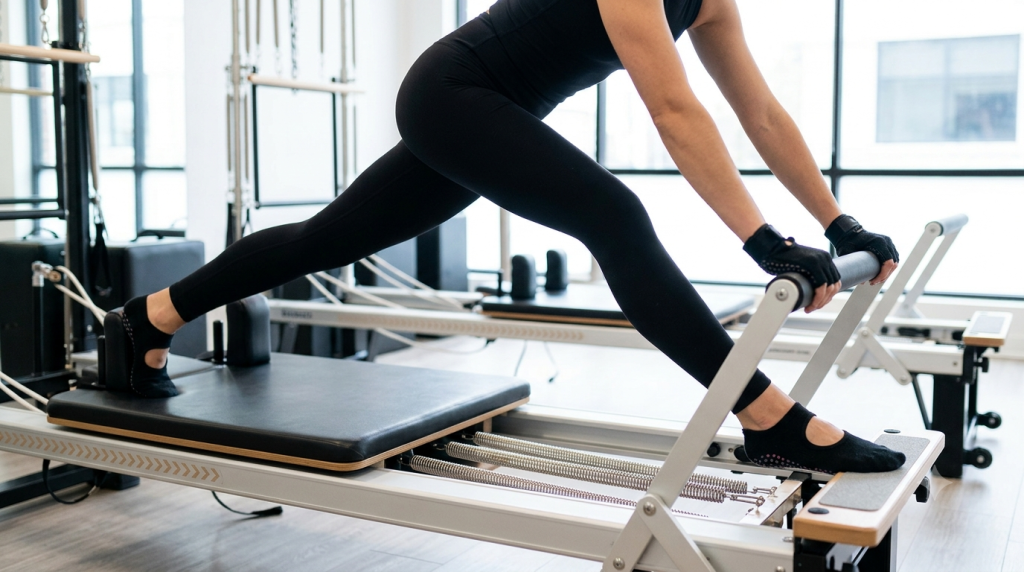
What Is the Core?
The core is more than just your abdominal muscles.
It is a complex group of muscles located around the center of your body. These muscles work together to support and stabilize your spine, pelvis, and torso.
The core includes:
- The rectus abdominis, often associated with visible “six-pack” muscles
- The transverse abdominis, a deep abdominal muscle that helps stabilize the spine
- The internal and external obliques, which support rotation and side-to-side movement
- The multifidus, small muscles that support the spine
- The pelvic floor muscles
- The diaphragm
- Muscles around the hips, pelvis, and lower back
Together, these muscles create a system of support around your body.
This is why effective Pilates core strength training is not only about repeatedly flexing the spine. Instead, Pilates focuses on controlled movement and the ability to stabilize the body while the limbs move.
Why Core Strength Matters Beyond Visible Abs
A strong core can influence the way your entire body moves.
1. Better Posture
Your core helps support your spine and pelvis. When your core is strong and properly engaged, it may become easier to maintain a more stable and balanced posture.
This is especially relevant for people who spend long hours sitting at a desk, working on a laptop, or using a phone.
2. Improved Stability and Balance
Your core acts as a central point of stability.
Whether you are walking, lifting something, exercising, or standing on one leg, your body relies on your core to help control movement and maintain balance.
3. More Efficient Movement
A strong core allows the body to transfer force more effectively between the upper and lower body.
For example, movements such as walking, running, lifting, twisting, and reaching all require coordination between the core and other muscle groups.
4. Support for the Spine
The deep core muscles help provide support around the spine.
Through controlled movement and improved body awareness, Pilates can help people learn how to better control their posture and movement patterns.
5. Better Body Awareness
One of the key principles of Pilates is concentration.
Rather than simply moving through repetitions, Pilates encourages you to pay attention to your alignment, breathing, muscle engagement, and movement quality.
This awareness can help you better understand how your body moves.
How Pilates Activates Deep Core Muscles
One of the reasons Pilates is effective for core strength is that it focuses on controlled, precise movement.
In many Pilates exercises, the body must maintain stability while the arms and legs move.
This requires the deep stabilizing muscles to work continuously.
For example, during a Pilates exercise, you may be asked to:
- Keep your pelvis stable while moving your legs
- Maintain a neutral spine
- Control the movement of your rib cage
- Coordinate your breathing with movement
- Stabilize your trunk while moving your arms
- Maintain control throughout the entire range of motion
These small adjustments may appear simple, but they can create a significant challenge for the deep core muscles
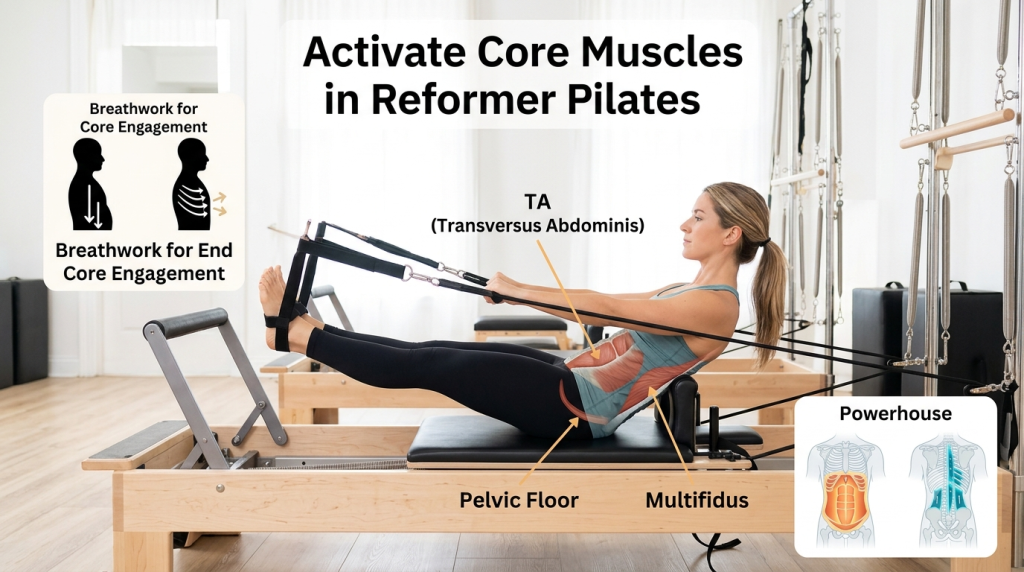
Pilates vs. Traditional Ab Workouts
Traditional ab workouts often focus on exercises such as:
- Crunches
- Sit-ups
- Leg raises
- Russian twists
- Planks
These exercises can certainly be part of a fitness routine.
However, Pilates takes a different approach to core training.
Traditional abdominal workouts often focus on isolated movements. Pilates usually integrates the core with the rest of the body.
For example, a Pilates exercise may require you to stabilize your torso while moving your legs, control your breathing, maintain spinal alignment, and coordinate the movement at the same time.
This creates a more integrated approach to core training.
The goal is not simply to make the abdominal muscles tired.
The goal is to improve:
- Strength
- Stability
- Control
- Coordination
- Endurance
- Body awareness
This makes Pilates particularly suitable for people who want to build functional core strength.
How Reformer Pilates Challenges the Core
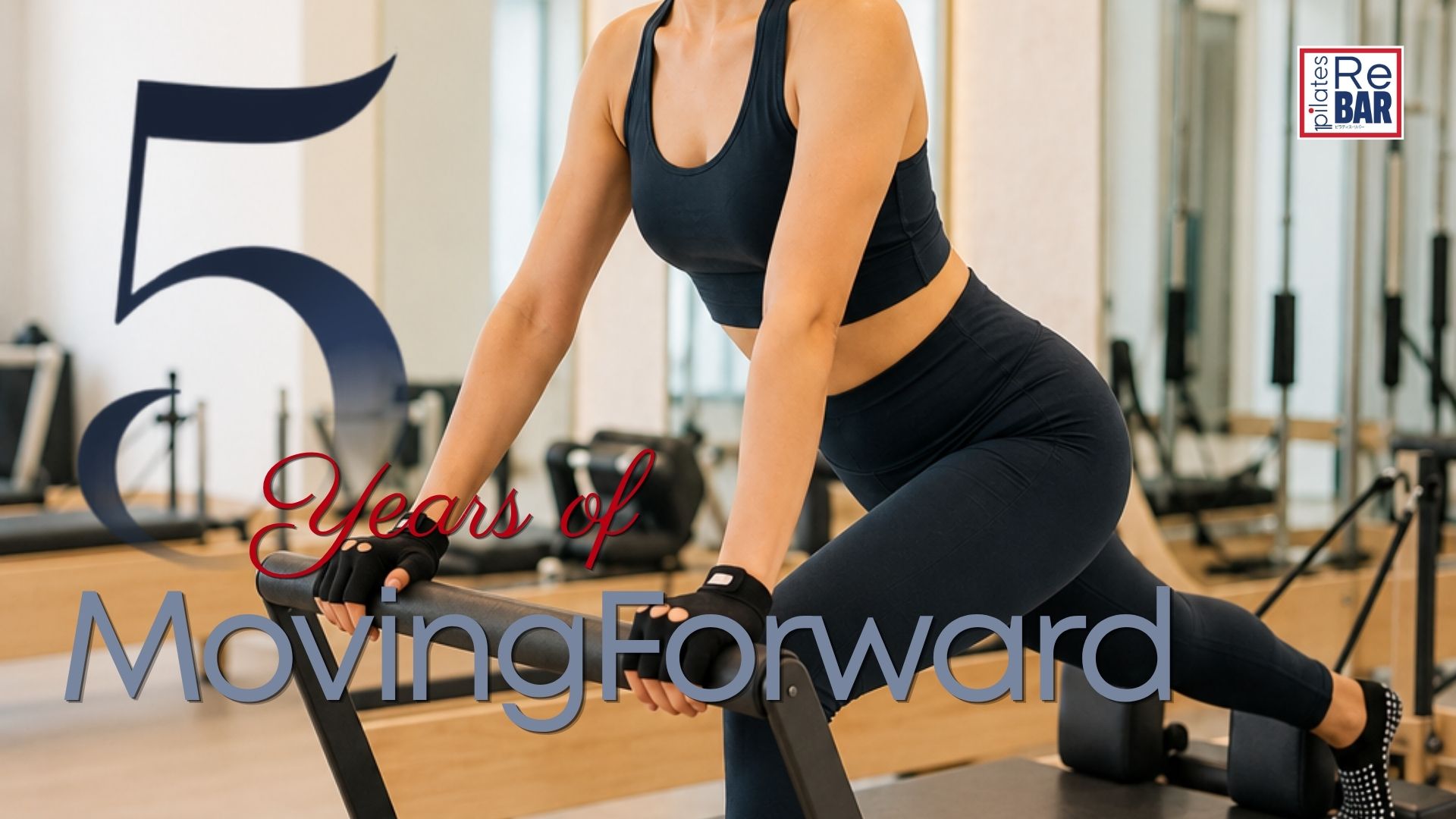
A Reformer Pilates class can provide an additional challenge for your core.
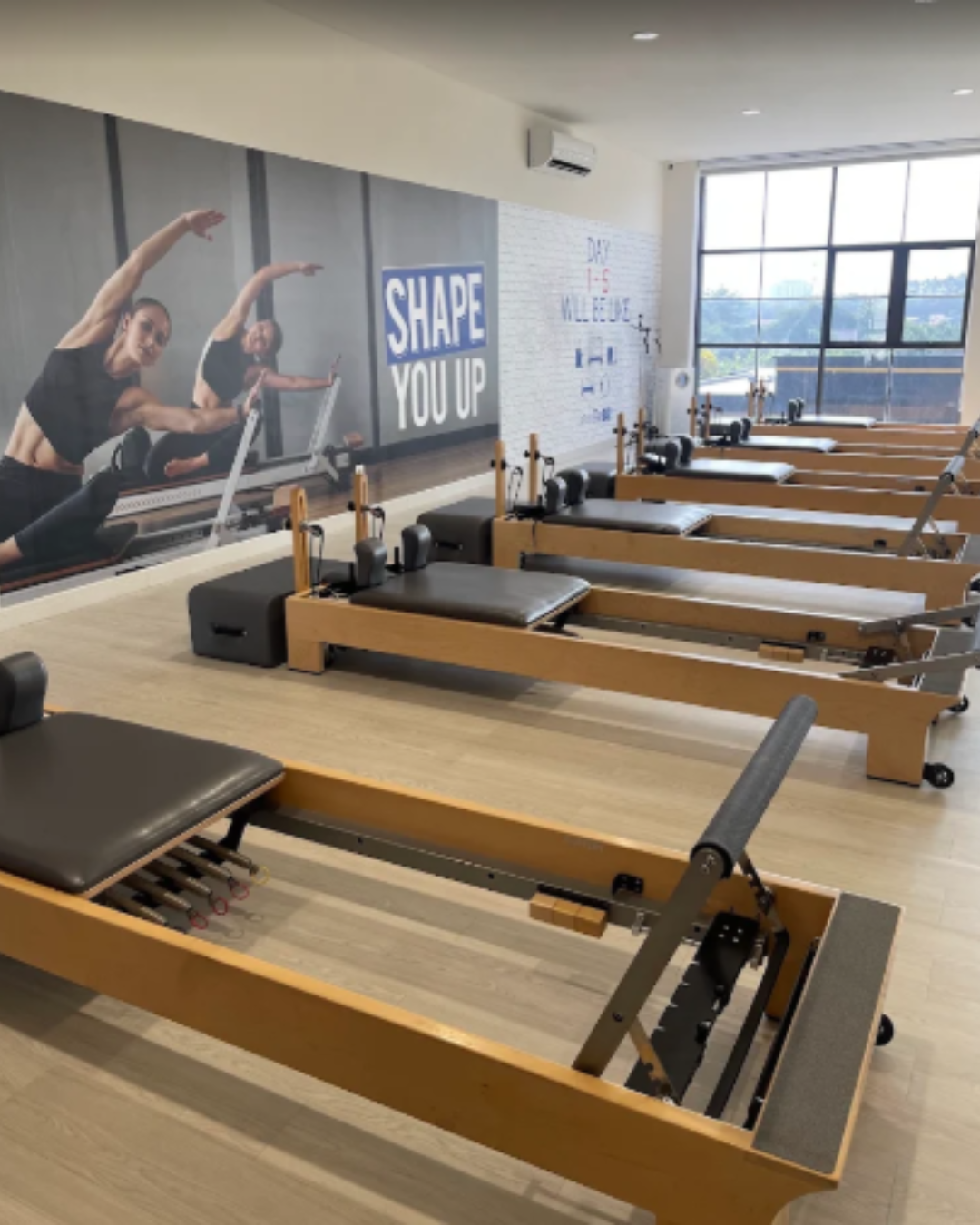
The Reformer uses springs, a moving carriage, straps, and other components to create resistance and instability.
This means your body may need to work harder to maintain control and alignment during different movements.
A Reformer Pilates core workout may challenge the body through exercises that require you to:
- Stabilize the spine while the carriage moves
- Control the legs against spring resistance
- Maintain pelvic stability
- Support the body during plank variations
- Coordinate upper and lower body movement
- Control the carriage through slow and precise movements
The moving carriage can make even a simple exercise more demanding.
Your body is not only performing the movement. It is also constantly working to control the position of the body.
This combination of resistance and control is one of the reasons many people use Reformer Pilates as part of their core-strengthening routine.
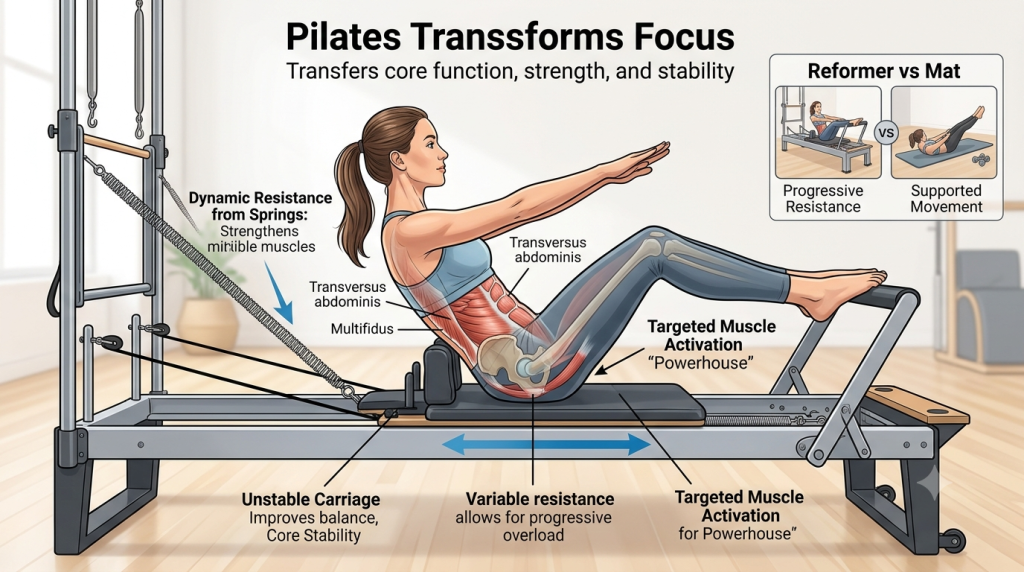
Does Pilates Strengthen Your Core?
Yes.
Pilates can strengthen the core by challenging the abdominal, back, pelvic, and stabilizing muscles through controlled movement.
The effectiveness of Pilates for core strength depends on several factors, including:
- The exercises performed
- The level of resistance
- The quality of movement
- Consistency
- Individual fitness level
- Proper technique
Pilates is not simply about performing as many repetitions as possible.
In many cases, the challenge comes from maintaining control and alignment throughout the movement.
Is Pilates Good for Core Strength?
Pilates can be an effective form of exercise for improving core strength, particularly for people who prefer controlled, low-impact movement.
It can also be adapted to different fitness levels.
A beginner may start with foundational exercises that focus on breathing, alignment, and body awareness.
As strength and control improve, the exercises can gradually become more challenging through:
- Increased resistance
- More complex movement patterns
- Longer holds
- Greater range of motion
- More challenging positions
This makes Pilates suitable for a wide range of people, from beginners to experienced fitness enthusiasts.
What Muscles Does Pilates Work?
Pilates can work many different muscle groups depending on the exercise and equipment used.
These may include:
- Abdominal muscles
- Deep core muscles
- Back muscles
- Glutes
- Hip muscles
- Legs
- Shoulders
- Arms
One of the defining characteristics of Pilates is that many exercises involve multiple muscle groups at the same time.
For example, a Reformer exercise may challenge the legs while requiring the core to stabilize the spine and the upper body to maintain proper alignment.
This creates a full-body movement experience.
Can Reformer Pilates Build Core Strength?
Yes, Reformer Pilates can help build core strength.
The Reformer provides adjustable resistance and a moving surface that requires control and stability.
As you perform different exercises, your core may need to work to maintain the position of your pelvis, spine, and torso.
Over time, consistent training can help improve muscular strength and endurance.
However, the results will depend on your individual program, training frequency, technique, and overall lifestyle.
The goal is not simply to make the workout feel difficult.
The goal is to progressively challenge the body while maintaining proper movement quality.
How Often Should You Do Pilates for Core Strength?
The ideal frequency depends on your goals, experience, and overall exercise routine.
For many people, practicing Pilates two to three times per week can provide a consistent foundation for developing strength and movement control.
Consistency is generally more important than occasional intense workouts.
A regular Pilates routine may allow you to gradually develop:
- Greater core endurance
- Better movement control
- Improved body awareness
- Increased stability
- More confidence during exercise
It is also important to allow your body to recover and to maintain a balanced exercise routine.
Pilates for Core Strength: The Bigger Picture
A strong core is not only about having visible abdominal muscles.
It is about creating a stable center that supports how your body moves.
This is why Pilates focuses on the connection between breathing, alignment, stability, control, and movement.
Whether you are a complete beginner, an experienced fitness enthusiast, or someone who spends most of the day sitting at a desk, Pilates can be an effective way to develop a stronger and more stable foundation.
And if you are looking for a more dynamic challenge, Reformer Pilates adds resistance and movement to traditional Pilates exercises, creating new ways to challenge your core.
Frequently Asked Questions
Does Pilates strengthen your core?
Yes. Pilates strengthens the core by engaging the abdominal, back, pelvic, and stabilizing muscles through controlled movements and exercises that require stability and body control.
Is Pilates good for core strength?
Yes. Pilates is particularly effective for developing core stability, muscular endurance, coordination, and body awareness.
What muscles does Pilates work?
Pilates can work the abdominal muscles, deep core muscles, back, glutes, hips, legs, shoulders, and arms depending on the exercises performed.
Can Reformer Pilates build core strength?
Yes. Reformer Pilates uses resistance and a moving carriage to challenge the body to maintain stability and control. This can help strengthen the core when practiced consistently with proper technique.
Is Pilates good for beginners?
Yes. Pilates exercises can be modified to suit different fitness levels. Beginners can start with foundational movements and gradually progress as their strength and body control improve.
How often should I do Pilates for core strength?
Many people practice Pilates two to three times per week as part of a consistent exercise routine. The ideal frequency depends on your personal goals, fitness level, and overall training schedule.
Does Pilates help build abs?
Pilates can strengthen the abdominal muscles and improve core control. However, visible abdominal definition depends on multiple factors, including genetics, body composition, nutrition, and overall physical activity.
Ready to Build Strength from Your Core?
A strong body starts with a strong foundation.
Whether you are new to Pilates or looking to deepen your current practice, a guided Reformer Pilates session can help you develop better control, stability, and strength through purposeful movement.
Ready to build strength from your core? Explore a Reformer Pilates session at Pilates Re Bar.


We have a great deal here!
All fitness levels are welcome.